Define the load and the aisle geometry
- Pallet size, weight, and stacking height
- Aisle width and turn type (right‑angle or drive‑through)
- Rack beam height and any overhead obstructions These factors determine mast type, lift height, and chassis class.
Surface and route in the Jackson context
Indoor slabs vary in finish and age; dock approaches can include soft edges influenced by expansive soil under adjacent fills. Transitions at doors become slick with condensation during humid periods. Plan for tire type, ground clearance, and grade handling across the route.
Narrow the forklift type
- Electric vs. internal combustion: Electric suits interior air requirements and tighter turn radii; IC supports longer outdoor runs and mixed surfaces.
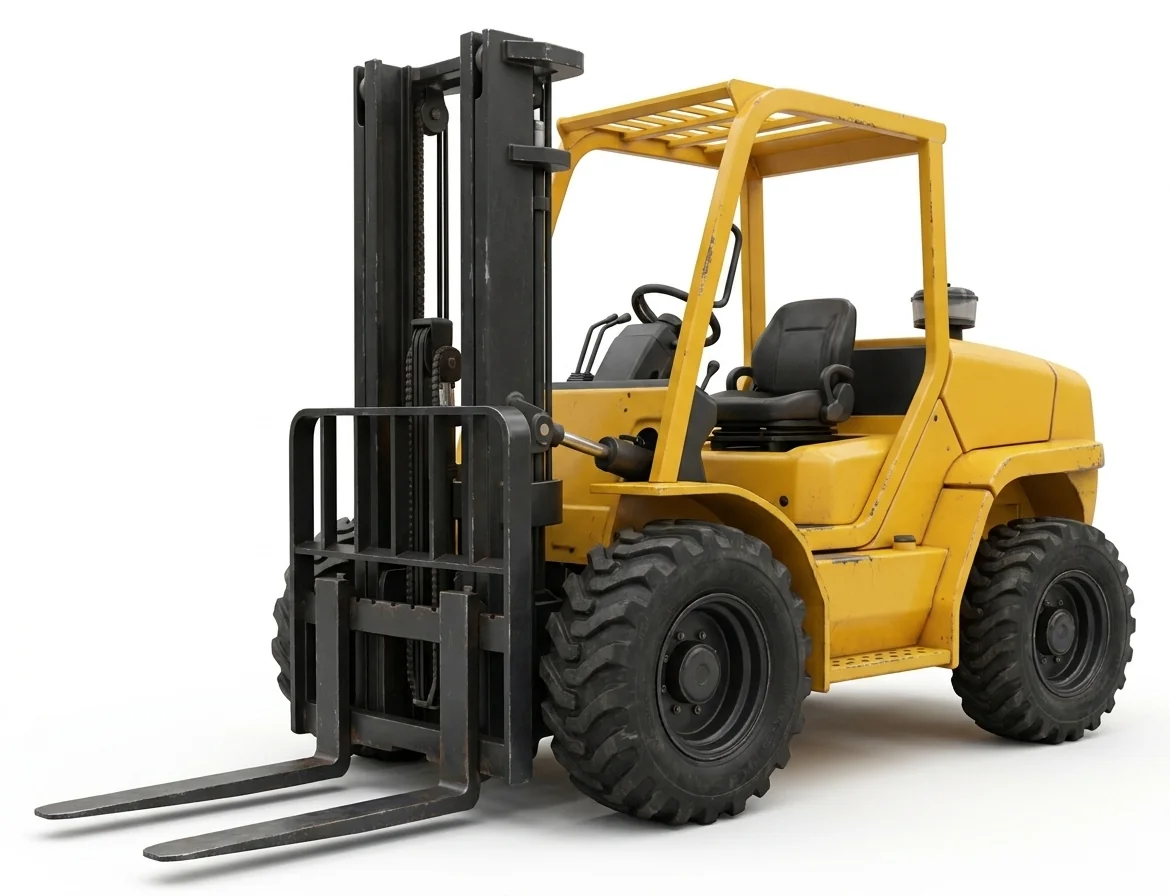
- Mast configuration: Triplex or quad masts allow higher stacking under lower door headers; free lift matters for mezzanine entries.
- Tire style: Cushion tires for smooth interior slabs; pneumatic for rough or exterior segments and variable edges.
- Dimensions: Overall width, length, and turning radius must clear aisles, docks, and staging lanes.
- Attachments and carriage options: Side shift and fork positioning influence effective aisle requirements and cycle time.
Common Jackson use cases
- Case picking and pallet put‑away in local distribution buildings.
- Machine shop material flow with mixed indoor/outdoor travel.
- Campus facilities support with varied door heights and older slab joints.
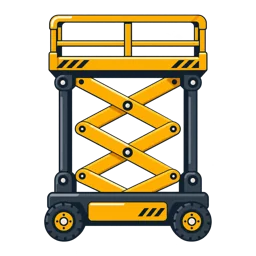
For elevated personnel access after staging, see /vertical-mast-lift-rental/ and /electric-scissor-lift-rental/. For rough approaches or landing materials at height outdoors, compare /telehandler-rental/.
Pre‑planning checklist
- Heaviest pallet weight and load dimensions
- Tallest rack beam or stacking height
- Aisle width and turning space at rack faces
- Dock plate capacities and surface conditions on the route
Actual conditions, the selected unit’s instructions, and site procedures govern material handling and travel.